

Key Takeaways
King of Prussia landlords should compare the cost of extended vacancies against potential rent reductions to make informed pricing decisions.
Competitive pricing, effective property marketing, and consistent tenant screening can help reduce vacancies and protect rental income.
Professional property management provides valuable market insights, pricing guidance, and leasing support to help owners maximize their rental property's performance.
You have a rental in the King of Prussia area, and it has been sitting vacant. Maybe you listed during a slower stretch, or nearby properties are drawing more interest.
Whatever the reason, inquiries are limited while the mortgage, taxes, and insurance continue to come due. Now you're wondering whether to hold your ground on the rent or lower it to attract applicants.
This is one of the most consequential decisions a rental owner makes. Waiting too long can mean unnecessary lost income, while reducing the rent may affect revenue throughout the lease.
At Yellow Keys Realty, we understand the importance of balancing competitive pricing with long-term profitability.
In this guide, we'll explain how to evaluate vacancy costs, assess local market conditions, and determine which approach makes the most sense for your rental investment.
Want to Know More About King of Prussia?
The Real Price of an Empty Rental
An empty rental costs more than the rent you are not receiving. Mortgage payments, property taxes, insurance, utilities, and basic upkeep may continue. You might also pay for landscaping, cleaning, or additional advertising while waiting for a lease.
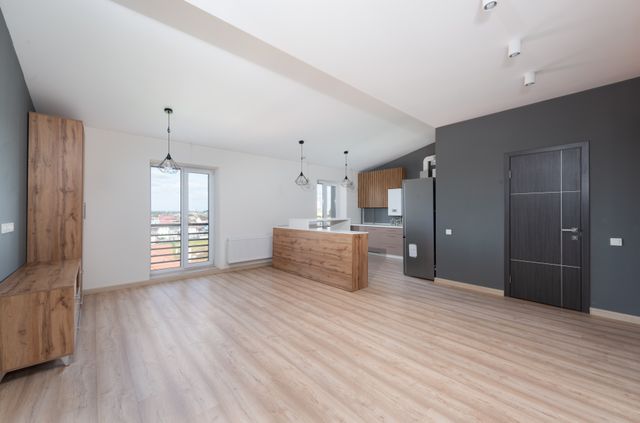
To estimate lost rental revenue, divide your asking monthly rent by 30. A property advertised at $2,400 loses approximately $80 in potential gross rent for every additional vacant day. Your actual cash-flow impact depends on the property's expenses and which costs would exist even if it were occupied.
The IRS's guidance on vacant rentals also explains how certain maintenance and operating expenses continue during vacancies. Avoid counting these expenses twice when comparing options.
Knowing these figures turns a vague concern into a decision you can calculate.
The Long Shadow of a Rent Reduction
Lowering the rent may improve a property's competitiveness, but it does not guarantee a faster lease. The reduction also applies throughout the agreed rental term, and a lower starting rate may influence future pricing discussions.
For example, reducing the monthly rent by $100 on a 12-month lease means collecting $1,200 less over that term. If the adjustment prevents more than 15 additional vacant days at a $2,400 asking rent, the extra rental income from earlier occupancy could outweigh the reduction.
This comparison assumes the home otherwise stays vacant for those days; actual results will differ.
Understanding how to maximize rental income involves balancing competitive pricing with vacancy expenses, maintenance costs, and long-term profitability.
Diagnose Before You Discount
Price is not the only reason a listing struggles.

Review where prospective renters stop engaging:
Few inquiries: The rent may be high for the competition, or the photographs and description may not attract attention.
Inquiries but few showings: Availability, unclear fees, or inconvenient scheduling could be discouraging appointments.
Showings without applications: The home's condition or features may not match expectations created by the listing.
Applications that do not qualify: Review whether the listing communicates the rental terms and screening criteria clearly.
Address presentation or process problems before assuming every vacancy requires a discount. Use consistent, lawful screening criteria rather than changing standards to fill the home quickly.
Study Real Comparable Rentals
Owners sometimes focus on the highest-priced listing nearby, but an asking price is not proof that a home will lease at that amount.
Determining fair market rent requires reviewing comparable properties that have recently leased, when available. Consider factors such as size, layout, condition, amenities, parking, and location to establish a competitive asking price.
Want to Know More?
Check Out Our Property Management Services!
Across King of Prussia, Norristown, Conshohocken, Collegeville, and Phoenixville, rental expectations can vary from one neighborhood and property type to another.
Access to transportation, shopping, and employment centers may affect demand, as can features such as a garage or in-unit laundry.
Be realistic about what your home offers and what competing properties provide.

A modest pricing difference can matter when renters are comparing several otherwise similar options.
Improve the Property Before Cutting the Price
Some of the most useful changes are relatively inexpensive:
Replace weak photographs with clear, well-lit images.
Update the listing with accurate features, dimensions, and costs.
Deep-clean the interior and address visible wear.
Repair fixtures, replace damaged blinds, and improve curb appeal.
Make showing appointments reasonably accessible.
Review pet policies while accommodating assistance animals as required by law.
A refreshed listing may generate new interest without lowering the rent. Prioritize issues that affect a renter's experience rather than spending heavily on cosmetic upgrades with uncertain returns.
Make a Measured Pricing Decision
Instead of making a dramatic cut immediately, establish a review process. Start by tracking inquiries, scheduled showings, applications, and feedback. If activity remains low, compare the asking rent against similar available properties and correct any marketing weaknesses.
If those changes do not help, consider a modest reduction supported by the evidence. Recheck results regularly and avoid repeatedly lowering the price without understanding the underlying problem.
An updated price may make the listing visible to renters using different search filters. However, the National Apartment Association emphasizes the importance of making rental properties stand out beyond pricing alone. A new number will not fix a poorly presented home or an inconvenient showing process.
When Waiting May Make Sense
Holding the price can be reasonable when comparable homes support it, the property is attracting consistent interest, and your carrying costs are manageable.

A brief additional vacancy might be preferable to accepting a reduction that is unlikely to improve leasing prospects. However, do not confuse patience with ignoring the market.
If comparable properties are leasing while yours receives little attention, revisit the assumptions behind your asking price.
When Reducing the Rent May Be Better
A reduction deserves serious consideration when your listing consistently underperforms comparable homes, inquiries are limited, and presentation improvements have not changed the response.
The same applies when the financial cost of waiting becomes difficult to justify.
Compare the estimated revenue from an earlier lease with the total reduction across its term. You cannot know the exact outcome beforehand, but a clear calculation gives you a better basis for deciding.
Protect Your Screening Standards
Vacancy pressure should never lead to inconsistent qualification decisions. Use written screening criteria, review applications fairly, and comply with applicable fair housing and consumer-reporting requirements.
Consider reasonable accommodation requests as required by law.
Beyond finding qualified applicants, implementing effective tenant retention strategies can help landlords limit turnover expenses and maintain more consistent rental income.
Bottom Line
Deciding between a longer vacancy and a lower asking rent is not about winning a negotiation. It is about protecting your rental income over the full lease term.
Calculate the potential cost of waiting, check comparable properties, and examine the quality of your listing before making a change.
Professional property management can provide useful pricing insight and a structured leasing process, but the final choice should reflect your property's numbers and your financial priorities.
Ready to Get Started?
Frequently Asked Questions
Should I Offer a Move-In Incentive Instead of Lowering the Rent?
An incentive, such as a one-time credit, may attract attention without changing the advertised monthly rent for the entire lease.
Compare the total value of the incentive against a rent reduction, and clearly disclose any conditions in the listing and lease. The better option depends on your property's market response and the net revenue you expect.
Does a Price Reduction Mean My Rental Was Overpriced?
Not necessarily. Competition, property condition, marketing exposure, and available inventory can influence the level of interest a listing receives. A change may reflect new information rather than an error in the original price. Review comparable properties and actual inquiry activity before drawing conclusions.
How Can I Tell Whether My Listing Photos Are Hurting Interest?
Compare your listing with similar rentals and assess whether the photographs show each room clearly, accurately represent the space, and highlight useful features.
If inquiries are low despite competitive pricing, replacing dark or incomplete images may be worthwhile. Track responses afterward to see whether interest improves.
Does Every Day of Vacancy Cost the Same Amount?
Dividing monthly rent by 30 provides a simple estimate of foregone gross rent, but actual cash flow varies with expenses, concessions, and the lease start date.
Some costs continue regardless of occupancy, while others change when a tenant moves in. Compare scenarios consistently so you do not double-count expenses.
Can a Property Manager Help Me Decide When to Adjust Rent?
Yes. A local manager can compare similar listings, review showing activity, assess property presentation, and recommend changes based on market feedback.
Ask how pricing recommendations are developed and what information supports them. The decision should consider both leasing activity and the total financial impact of any adjustment.
Want to Know More About King of Prussia?